Yes. Using a VPN is legal in the UK, the United States, Canada and Australia, and none of them has banned VPNs. What is changing is the rules for websites and social media apps: new age-check laws put more pressure on platforms to verify ages and spot people getting around those checks, but they don't make it illegal for you to use a VPN for privacy and security.
One thing never changes: a VPN doesn't make an illegal activity legal. If something is against the law without a VPN, it's still against the law with one.
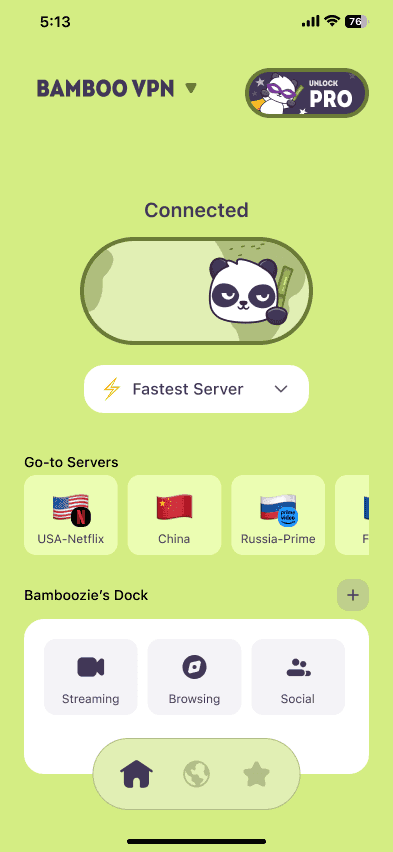
We make BambooVPN. The laws below were checked on 13 November 2026. They are moving quickly, so we'll keep this page updated. This is general information, not legal advice.
VPN laws at a glance (November 2026)
| Country | Is using a VPN legal? | What's changing |
|---|---|---|
| United Kingdom | Yes | Under-16 social media rules from spring 2027; the government decided not to ban or age-restrict VPNs |
| United States | Yes | State age-check laws for adult websites; Utah's VPN clause is blocked by a federal court |
| Canada | Yes | Bill S-209 (age checks for adult websites) is before Parliament; it doesn't ban VPNs |
| Australia | Yes | Under-16 social media minimum age since December 2025; platforms must try to stop under-16s using VPNs to get around it |
Is the UK banning VPNs?
No. VPNs are legal in the UK, and the government has said it won't ban them or put age limits on them.
Here's what happened, and why so many people searched "is the UK banning VPNs" this year:
- July 2025: the Online Safety Act's age checks started. Many adult and social sites began asking UK visitors to prove their age, and VPN downloads jumped.
- January 2026: the House of Lords voted 207 to 159 for an amendment that would have stopped VPN providers serving children. That was a vote on a proposed change, not a law.
- July 2026: the Technology Secretary, Liz Kendall, confirmed in a written statement that the government will not ban or age-gate VPNs, because they have legitimate privacy and security uses. Instead, platforms must take "robust steps" to stop under-age users getting around age checks, Ofcom and the ICO were asked to report on how platforms can detect VPN use for that purpose, and ministers will talk to VPN providers about voluntary measures.
- Coming next: the government plans to set out regulations for social media accounts for under-16s by the end of 2026, with the restrictions starting in spring 2027. New users will likely have to prove their age with ID or a face scan when they open an account.
What it means for you: you can keep using a VPN for privacy, public Wi-Fi and travel. You may still be asked to verify your age on some platforms, and some sites may treat traffic from VPN servers more strictly. The government has said it will keep the area under review, so we'll update this page if anything changes.
Are VPNs legal in the United States?
Yes. There is no federal law against using a VPN, and no state has made it illegal for people to use one.
What has spread is age verification for adult websites: roughly half of US states now require those sites to check visitors' ages. These laws apply to the websites, not to people using VPNs.
Utah's SB 73 was the first US law to mention VPNs directly. It tried to make adult websites responsible when Utah users got around age checks with a VPN or proxy. In September 2026 a federal judge blocked that VPN part of the law with a preliminary injunction, finding it likely unconstitutional. The age-check requirement itself has been enforced since 2 November 2026. The ruling isn't final and Utah may appeal, but either way the law targets websites, not VPN users.
Are VPNs legal in Canada?
Yes. Canada has no law that bans VPNs or requires a licence to use one.
Bill S-209 would require adult websites to verify or estimate the ages of Canadian visitors. VPNs come up in the debate as a possible workaround, but the bill doesn't ban or restrict VPN use. It was still before Parliament when we checked; you can follow its status on the Parliament of Canada's bill page.
Are VPNs legal in Australia?
Yes. Australians can use VPNs legally.
Since 10 December 2025, social media platforms must stop under-16s from having accounts. Australia's eSafety Commissioner expects platforms to try to stop users from using VPNs to pretend they're outside Australia, and platforms may block traffic from some VPN servers. These are duties on the platforms; they don't change the law for adults using a VPN for privacy or security.
Where are VPNs restricted or banned?
Outside these four countries, a few governments limit VPNs. Lists differ between sources, and enforcement varies, but these are the countries most often named:
| Type of restriction | Countries |
|---|---|
| Banned outright | North Korea, Turkmenistan, Belarus |
| Only government-approved VPNs allowed | China, Russia, Iran |
| Allowed with restrictions | United Arab Emirates (illegal to use one to commit an offence), Oman, Turkey (many VPN services blocked) |
If you're travelling, check the local rules before you go, and follow them while you're there. Our travel VPN guide covers what to set up before a trip.
Legal doesn't mean "anything goes"
Even where VPNs are completely legal, some uses can break other rules:
- Websites and apps have their own terms. Streaming services, games and social apps can limit or block VPN connections, and breaking their terms can get an account suspended.
- Age checks are there for a reason. A VPN is a privacy tool, not a way for children to get around age limits, and platforms are now required to look for that.
- Your workplace or school may have its own rules about VPNs on their networks or devices.
Why people use VPNs legally
Most people use a VPN for everyday privacy and safety:
- Public Wi-Fi. A VPN encrypts your traffic on hotel, airport and café networks you don't control. See is airport and hotel Wi-Fi safe?
- Privacy from your internet provider. Your provider sees which sites you connect to; with a VPN, it only sees an encrypted connection to the VPN server.
- Hiding your IP address from the websites and apps you use.
- Travel. Keeping your connection private abroad and on travel eSIMs.
- Gaming. Hiding your home IP from other players, which helps against DDoS attacks. See does a VPN reduce ping?
Will VPNs be banned in the future?
In the UK, US, Canada and Australia, nothing on the table today would ban VPNs for adults. The trend is to put the duty on platforms: verify ages, and spot under-age users who try to get around the checks. The things to watch over the next few months are:
- the UK's under-16 regulations and Ofcom's work on VPN detection
- a possible appeal of the Utah ruling
- the progress of Canada's Bill S-209
- how strictly Australian platforms enforce the under-16 rules
Frequently asked questions
Is it illegal to use a VPN in the UK?
No. Using a VPN is legal in the UK. In July 2026 the government confirmed it will not ban VPNs or put age limits on them.
Is the UK banning VPNs in 2027?
No. What starts in spring 2027 are rules about social media accounts for under-16s. Platforms will have to check ages and take steps against under-age users getting around those checks, but VPNs themselves aren't being banned.
Is using a VPN illegal in the US?
No. No federal or state law makes it illegal to use a VPN. State age-check laws apply to adult websites, not to VPN users.
Does Utah's law make VPNs illegal?
No. Utah's SB 73 targets websites, not people. Its VPN clause is blocked by a federal court, and using a VPN in Utah is legal.
Are VPNs legal in Canada?
Yes. Canada doesn't ban or license VPNs, and Bill S-209 would require age checks on adult websites rather than restrict VPNs.
Can I use a VPN in Australia?
Yes. VPNs are legal in Australia. The under-16 social media rules put duties on the platforms, not on adults who use a VPN.
Can I get in trouble for using a VPN?
Not in the UK, US, Canada or Australia for simply using one. You can get in trouble for illegal activity whether or not you use a VPN, and websites can suspend accounts that break their terms.
Is BambooVPN legal to use?
Yes. BambooVPN is a VPN app available on the App Store and Google Play, and using it is legal in the UK, US, Canada and Australia. Check the local rules before using any VPN in countries where VPNs are restricted.
The bottom line
VPNs are legal in the UK, US, Canada and Australia, and the new age-check laws target platforms rather than people who use a VPN for privacy. Use a VPN for what it's built for, like protecting yourself on public Wi-Fi and keeping your browsing private, and follow the local rules when you travel.
Download BambooVPN for iPhone and iPad, Android, Windows and Mac. Start with the free version, or try Pro free for 7 days on the yearly plan.
Sources (checked 13 November 2026)
- UK: TechRadar on the government's VPN decision, The Next Web, House of Commons Library briefing, Computing on the under-16 rules
- US: EFF on the Utah ruling, TechRadar on Utah enforcement
- Canada: Bill S-209
- Australia: TechRadar on eSafety's VPN guidance
- Restricted countries: Security.org VPN legality guide
DOWNLOAD THE APP
THE INTERNET IS YOURS. UNLOCK.